From Insight to Action: Turning Emerging Mobility Trends into Practical Innovation
The mobility industry is evolving rapidly. Passenger expectations are changing, digital technologies continue to advance, and operators are looking for new ways to improve services while maximizing the value of existing assets.
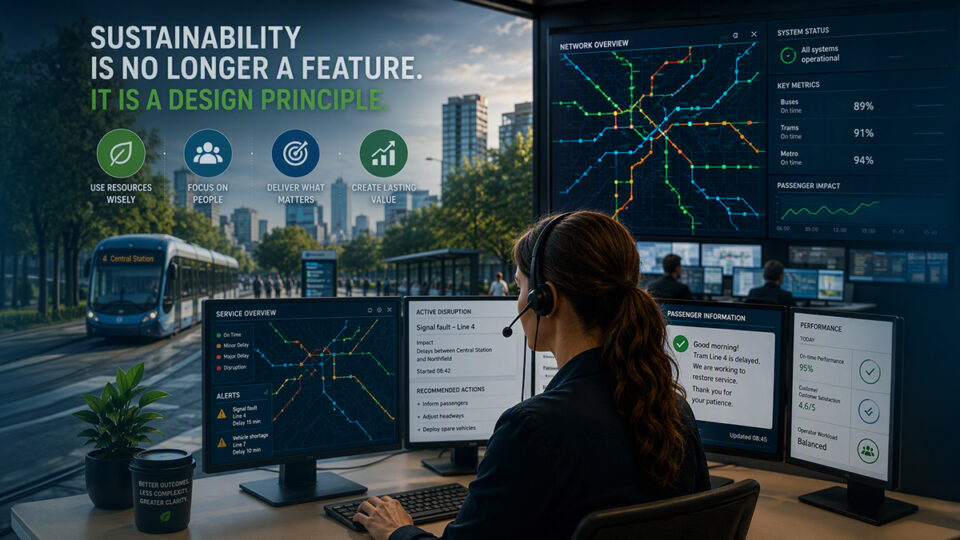
In discussions with operators, vehicle manufacturers, and industry partners, one observation comes up repeatedly: innovation is no longer measured by technology alone. The real value lies in how effectively new solutions can be integrated into everyday operations and the passenger journey. The most promising innovations are those that solve practical challenges and create measurable value for both operators and passengers.
Ultimately, the success of innovation in public transport is measured by its ability to make journeys smoother, safer, and more accessible for passengers.
Another trend I see increasingly often is that innovation rarely happens in isolation. As public transport systems become more connected, progress depends on ecosystems of operators, manufacturers, technology providers, and research partners working together to solve shared challenges. Whether the goal is extending asset lifecycles, improving accessibility, enhancing maintenance practices, or developing new passenger services, collaboration is becoming just as important as technology itself.
1. Extending Lifecycle Value Through Modernization and Intelligence
Across public transport, operators are increasingly focused on getting more value from existing assets. Long lifecycles remain a reality, but passenger expectations and digital technologies continue to evolve much faster.
As a result, modernization programs are becoming a strategic way to introduce new capabilities without replacing entire systems or fleets. At the same time, advances in monitoring technologies are helping operators gain better visibility into asset condition and support more proactive maintenance practices.
Over the past few years, I have seen lifecycle management evolve from a maintenance discussion into a broader strategic priority. Operators are looking for ways to modernize infrastructure, improve operational visibility, and prepare for future passenger expectations while maximizing existing investments.
InnoTrans highlights
- Train Refurbishment and Modernization Services
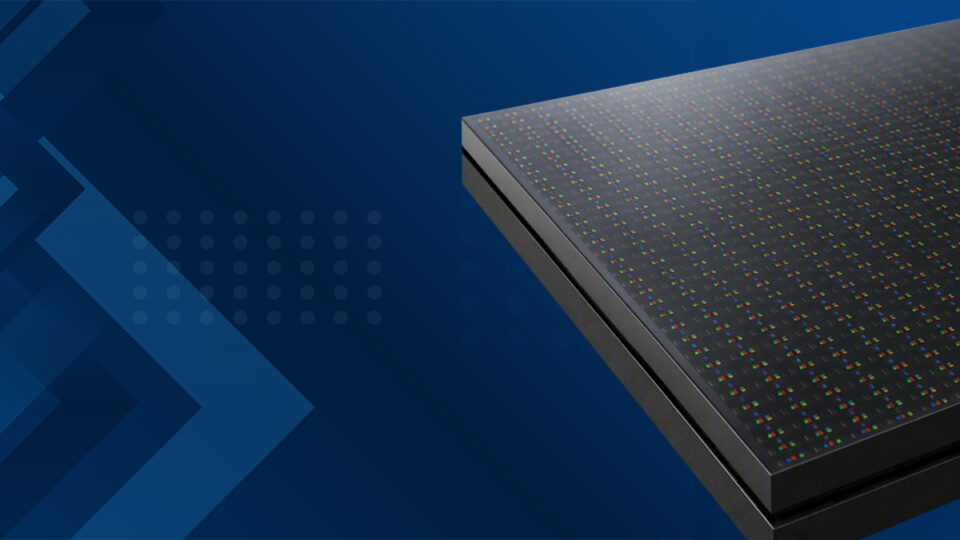
- Maintenance & Display Condition Monitoring
2. AI Is Creating New Ways to Understand Passenger Needs
Understanding passenger needs has always been at the heart of successful public transport.
Artificial intelligence is creating new opportunities to complement traditional research methods and provide additional insights into how passengers interact with services and environments. By identifying patterns and trends, AI can support more informed decision-making and service development.
While AI continues to attract significant attention, its value in mobility will ultimately depend on how well it helps operators understand and respond to passenger needs. In my view, the most interesting applications are those that provide actionable insights rather than simply generating more data.
Better insights alone are not the goal. Their value lies in helping operators design services and experiences that better reflect passenger expectations.
InnoTrans highlights
- Mood Meter
3. Accessibility Is Becoming a Core Part of Mobility
Accessibility is increasingly viewed as an essential component of the overall passenger experience rather than a standalone requirement.
The operators I speak with are looking for solutions that make travel information more accessible while giving passengers greater flexibility in how they receive and consume information. Expectations around inclusive and user-friendly services continue to grow across the mobility sector.
What is changing is the mindset. Accessibility is becoming a design principle rather than a compliance exercise, influencing how information, services, and journeys are developed from the start.
InnoTrans highlights
- Auracast™ Audio Broadcast
4. The Next Generation of Passenger Communication
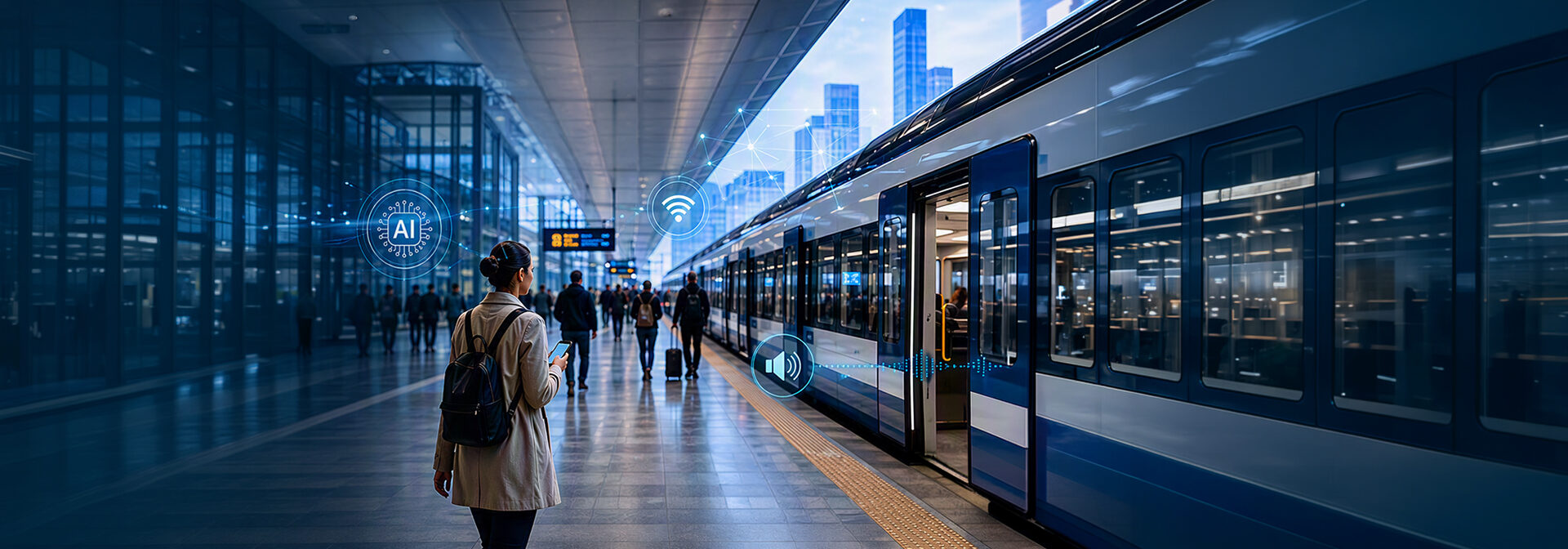
Passenger communication is evolving beyond conventional announcements and static information channels. New technologies are creating opportunities to produce, personalize, and deliver information in more flexible and engaging ways.
One of the most interesting developments I see is the convergence of AI, digital content creation, and passenger information. Together, these capabilities are helping shape the next generation of passenger communication, supporting more relevant and responsive interactions across multiple touchpoints.
Ultimately, the objective remains unchanged: ensuring that passengers receive timely, understandable, and useful information throughout their journeys.
InnoTrans highlights
- Announcement Avatar Tool
From Emerging Trends to Practical Innovation
Looking across these four themes, what stands out is not any single technology, but the shift in how innovation is being approached. Operators are increasingly focused on practical outcomes: creating better passenger experiences, extending asset lifecycles, enhancing accessibility, and delivering more relevant and timely information throughout the journey.
Achieving those outcomes increasingly depends on collaboration. Many of the challenges facing public transport today cannot be solved by a single organization alone. The most promising developments emerge when operators, suppliers, technology partners, and research organizations combine their expertise and work toward common goals.
We are on that same journey. At InnoTrans 2026, we will share several innovation concepts we are exploring together with customers and partners, and discuss what tomorrow’s passenger experience could look like.


Jarkko Vehkala
Jarkko Vehkala
I’m heading the business line Railway Solutions at Teleste. My passion is to work closely with our customers to build environmentally friendly, safe and smart public transport infrastructure and services for today’s urban society.
See my LinkedIn.